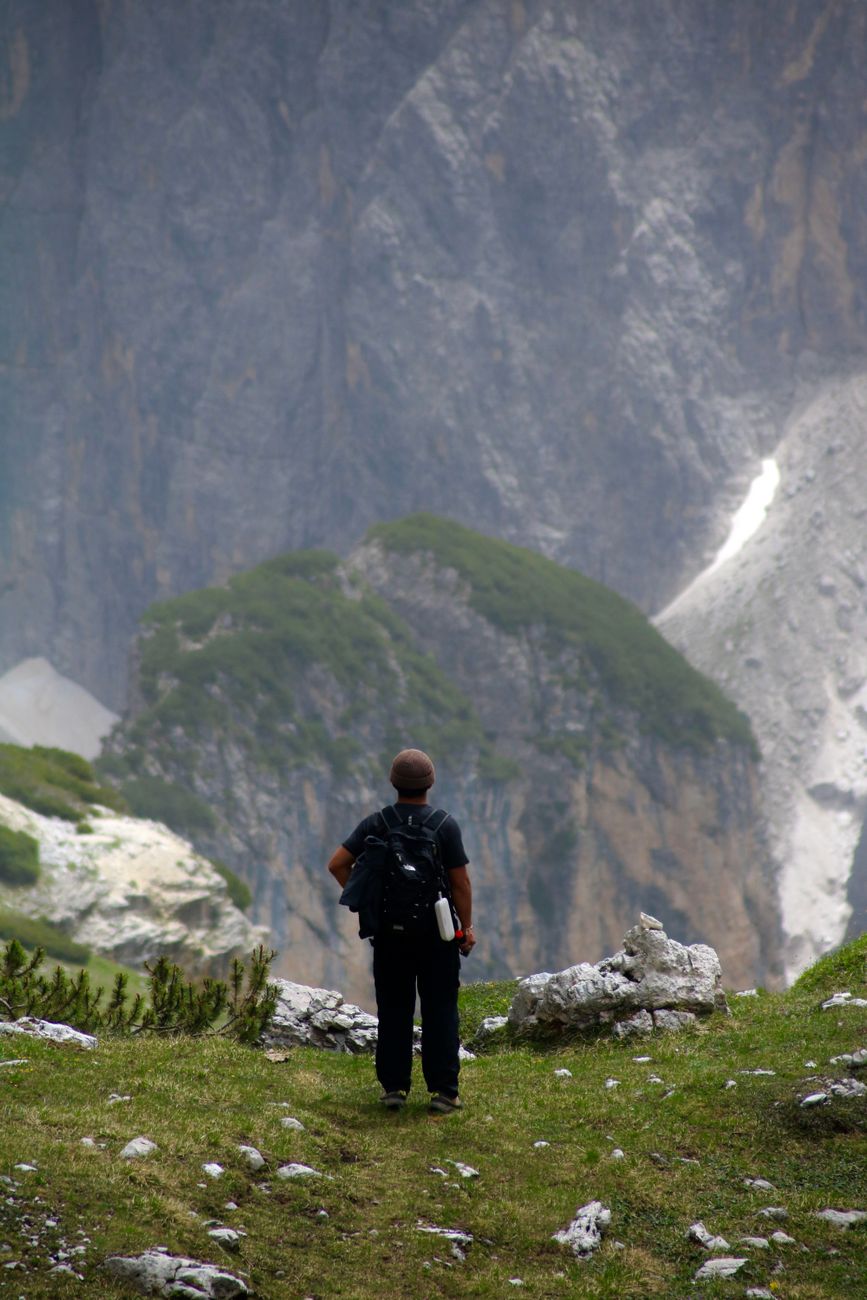
The Solitude of High Passes: Refuges of the Brenta Dolomites
Traversing limestone massifs where cell towers fade, morning fog pools in valleys, and evenings belong to cedar tables and polenta.
To walk above the tree line in the Brenta massifs is to witness how stone absorbs sound. The clamor of automobile corridors down in Trentino simply vanishes once you pass 2,200 meters.
1. The Limestone Cathedral
Unlike the gentle limestone rolls of the Bavarian Prealps, the Brenta Dolomites rise like jagged cathedrals built by titans. Formed from fossilized coral reefs of the ancient Tethys Ocean, their vertical spires reflect dawn with a pale ochre luminescence known locally as enrosadira.
As we moved along the upper ledges, solitary choughs circled overhead, their yellow beaks stark against gunmetal grey towers. Hiking here requires deliberate footsteps; scree fields shift gently beneath vibram soles, reminding the traveler of geology's quiet ongoing erosion.
2. Bocchette Centrali Traversal
Carved out in the early 20th century by mountaineering pioneers, the Bocchette Centrali is among Europe's most cinematic via ferrata networks. Iron cables tether the hiker to sheer cliffs over drops that plunge into mist-filled couloirs.
Yet despite its dramatic exposure, the route does not encourage haste. One stops repeatedly on natural rock balconies to watch cloud inversions fill the valley below like an ocean of milk.
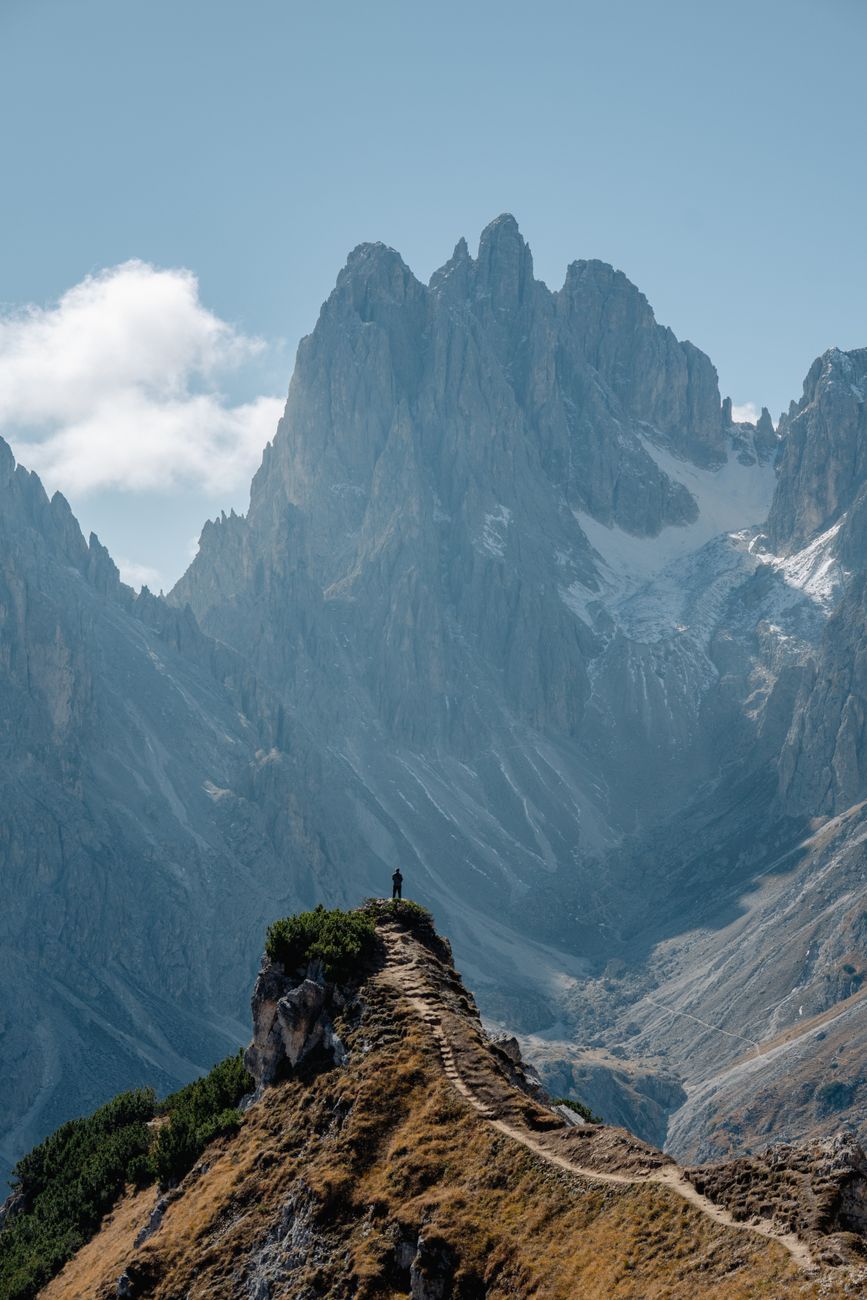
The high trail connecting Rifugio Tuckett with the Brenta ledges.
3. Life at Rifugio Pedrotti
At dusk, cold descends rapidly. Pushing open the heavy fir doors of Rifugio Pedrotti reveals the aromatic warmth of elderberry tea, drying boots, and simmering polenta concia.
There is no artificial pretension here. Shared wooden bunks, wool blankets smelling of pine detergent, and communal carafes of Teroldego Rotaliano wine foster conversations among strangers from across continents who shared the same high pass that afternoon.
4. Essential Field Logistics
- Season: Optimal between early July and late September. Snow may choke high passes well into June.
- Equipment: Standard via ferrata kit, climbing helmet, sturdy trekking boots, and cash for refuge dining.
- Reservations: CAI (Club Alpino Italiano) refuges require booking two to four months ahead for autumn slots.