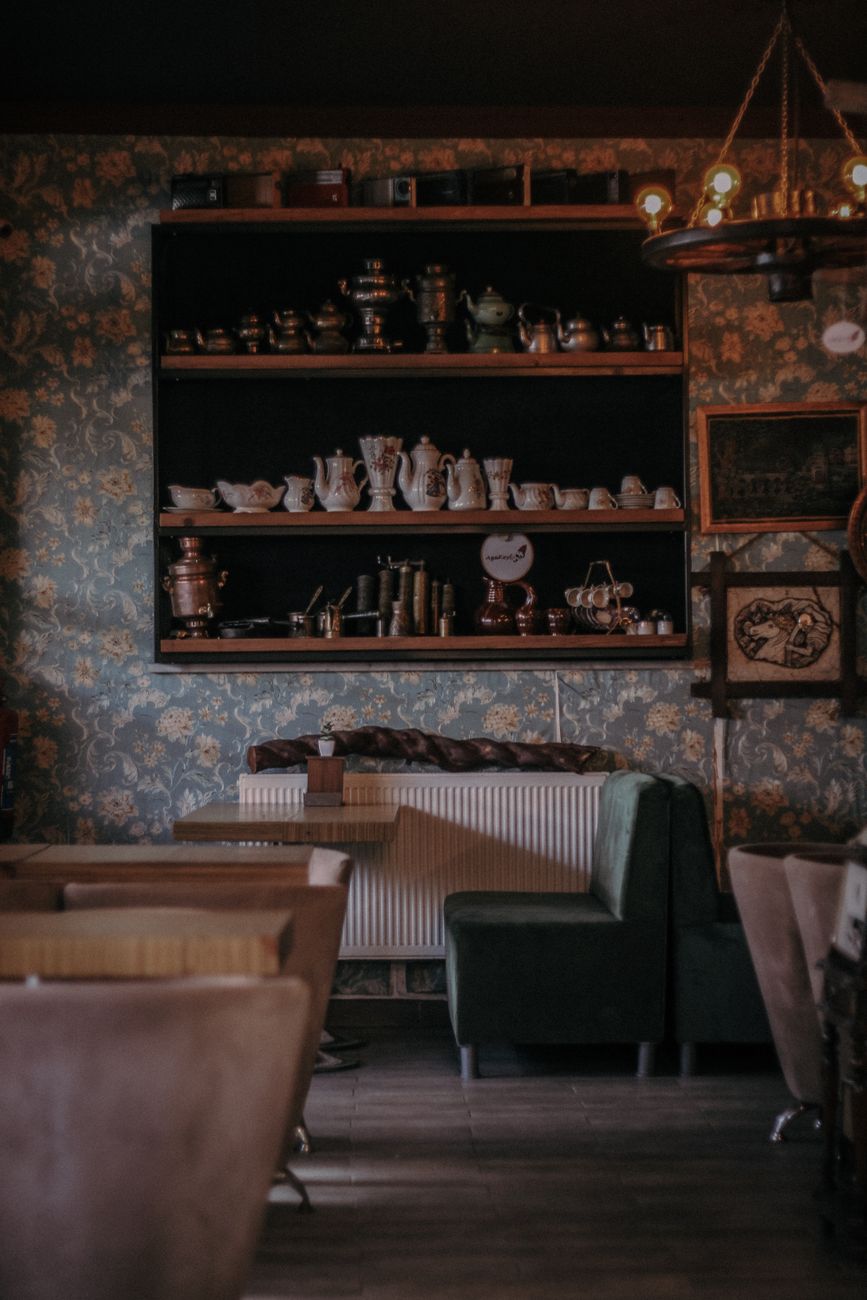
The Poetics of Shadow: Exploring Kyoto's Vintage Kissaten
Behind sliding timber lattices near the Kamogawa River, an endangered breed of mid-century coffee sanctuaries guards stillness and analog warmth.
Step off the humidity of Kyoto's Kawaramachi boulevard into Café Soirée, and you enter an aquatic underworld of cerulean blue bulbs and carved zelkova wood panels.
1. In Praise of Low Wattage
In his 1933 essay In Praise of Shadows, Junichiro Tanizaki reflected on how Japanese aesthetics celebrate dim gradation over intense illumination. Kyoto's historic kissaten — cafes built between the 1930s and 1970s — embody this philosophy with quiet conviction.
Darkened mahogany counters, velvet-covered banquettes worn smooth by generations of university scholars, and pendulum clocks ticking steadily form an antidote to illuminated smartphone screens.
2. The Nel Drip Discipline
At establishments like Café de l'Ambre and Rokuyousha, coffee is treated as an alchemical contemplation. Baristas employ aged nel (flannel) drip filters, guiding boiling water through dark-roasted grounds with kettle spouts poised a millimeter above the bloom.
The resultant liquid is viscous, deep, and devoid of astringency — served in delicate Noritake bone china cups alongside thick-sliced buttered shokupan toast.
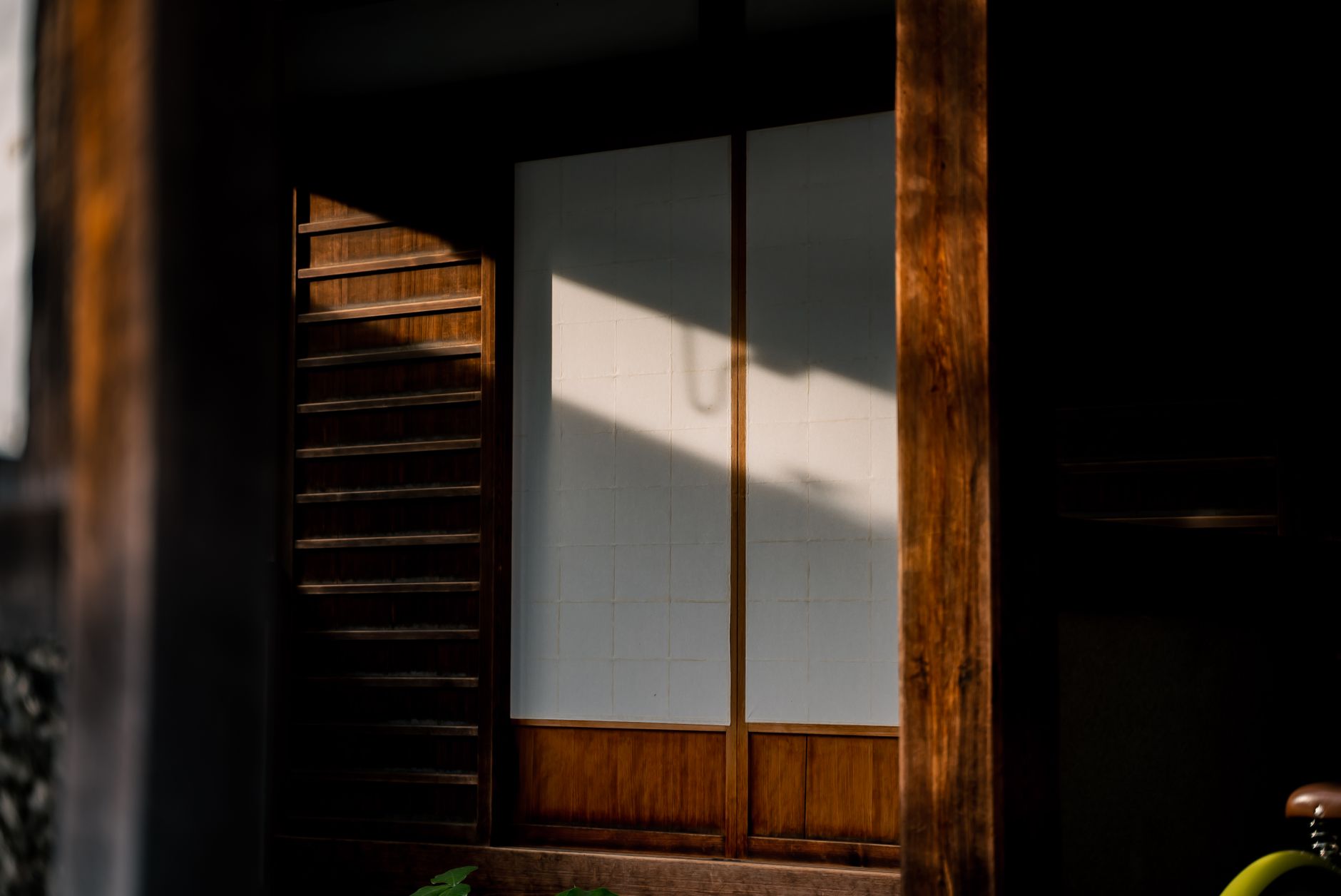
The quiet morning counter at Rokuyousha Underground, Kyoto.
3. Acoustics & Tube Amplifiers
In specialized jazz kissa such as Yamatoya, conversation is strictly minimized. Giant vintage Altec Lansing or JBL horn speakers powered by McIntosh tube amplifiers fill the narrow room with recordings of John Coltrane and Bill Evans pressed in 1961.
Patrons sit alone for hours, nursing single cups of dark roast while listening to the warm hum of analog vinyl grooves.
4. Quiet Traveler Etiquette
- Silence Devices: Keep smartphones on silent and avoid taking video or photographing other patrons.
- Solo Pacing: These are spaces designed for solitary reading, writing, and contemplation rather than noisy group meetings.
- Cash Payment: Almost all traditional kissaten accept only Japanese Yen coins and notes at the counter.